
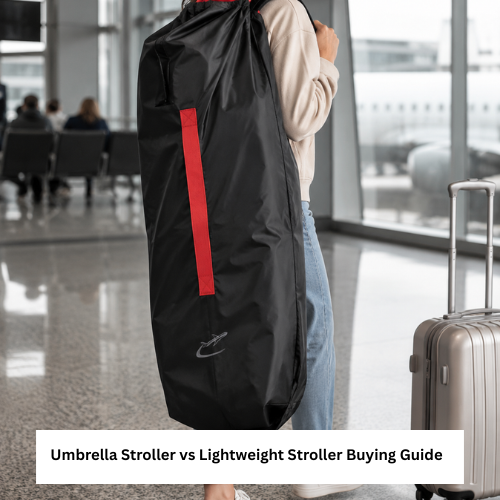
An umbrella stroller is often a simple, slim, easy-fold option for short outings, quick errands, and travel backup use. A lightweight stroller may offer more features, better padding, larger canopies, or smoother daily handling depending on the model.
Parents comparing an umbrella stroller with a lightweight stroller should focus on child comfort, folded size, wheel quality, recline, canopy coverage, storage, and how often the stroller will be used. The better choice depends on whether you need a simple spare stroller or a daily-use stroller.
Why Parents Compare These Stroller Types
Both stroller types are popular because they are easier to manage than bulky full-size systems. They can help families move through stores, sidewalks, airports, and car trips with less hassle.
The main difference is usually structure. Umbrella strollers are often slimmer and simpler, while lightweight strollers may include more comfort and convenience features.
How to Compare Umbrella Stroller Features
An umbrella stroller should be chosen by fold style, seat support, handle comfort, wheel design, and child size guidance. Do not assume every umbrella design is suitable for long outings or naps.
Before buying, check:
- Folded length
- Child age guidance
- Seat recline
- Harness design
- Wheel size
- Brake placement
- Canopy coverage
- Handle height
- Storage basket
- Return policy
| Feature | Umbrella Stroller | Lightweight Stroller | Verify Before Buying |
| Best use | Short trips and backup travel | Daily errands and longer outings | Daily routine and child comfort |
| Fold style | Slim vertical fold | Varies by model | Fold lock and storage size |
| Seat comfort | Often simpler | May offer more padding | Recline and support |
| Storage | Usually limited | Often more useful | Basket size and access |
| Travel use | Easy to carry | More balanced features | Airline and car trunk fit |
Lightweight Stroller for Daily Use
A lightweight stroller may be better if you need a daily-use option with more comfort, canopy coverage, and storage. It can still be easy to carry, but it may feel more supportive than a basic umbrella design.
A lightweight stroller can work well for parents who want convenience without giving up too many everyday features.
If your child naps in the stroller, verify recline, seat padding, and footrest design before buying.
Compact Stroller Comparison for Small Spaces
A compact stroller comparison should look at open size, folded size, and how easily the stroller fits your car or home storage.
A compact stroller comparison should include folded size, seat support, wheel design, handle comfort, and daily storage needs.
For product comparison, review umbrella stroller options and verify fold size, canopy, toddler fit, harness, wheel design, and return policy before buying.
Foldable Stroller and Travel Use
A foldable stroller should be easy to collapse, lock, carry, and reopen. Some umbrella strollers fold long and slim, while other lightweight models fold shorter and more compact.
A foldable stroller should be tested for locking, carrying, and storage before regular travel use.
If you plan to fly, check airline and gate-check rules before depending on any stroller size claim.
Toddler Stroller Comfort Checks
A toddler stroller needs enough seat room, harness adjustability, and support for longer walks. A simple umbrella stroller may work for short trips, but it may not be ideal if your toddler needs naps or extra storage.
A toddler stroller should support your child’s height, weight, posture, and daily riding comfort.
Do not ignore handle height. A stroller that is uncomfortable for parents can become frustrating during daily use.
Small Stroller Buying Tips
A small stroller should still feel stable and safe. Very light designs may be easier to carry but may not handle rough sidewalks, heavy bags, or longer outings as well.
A stroller buying tips checklist should include safety harness, brake use, folded size, canopy coverage, wheel quality, and child fit.
At online baby strollers, families can compare umbrella, lightweight, travel, compact, and toddler stroller options for everyday baby mobility.
Safety and Setup Notes
Always follow the manufacturer instructions for age, weight, recline, and folding. Use the harness during rides and engage brakes when stopped.
Avoid hanging heavy bags from handles unless the manual allows it. Extra weight can make the stroller less stable.
Cleaning and Maintenance Advice
Both umbrella and lightweight strollers need regular care. Wheels can collect dirt, snacks can fall into the seat, and folding joints can get dusty.
Maintenance tips:
- Wipe fabric as directed
- Clean wheels after outdoor use
- Check brakes regularly
- Inspect fold locks
- Keep the basket from overloading
- Store the stroller dry
- Replace worn parts as needed
Common Buying Mistakes
Avoid these mistakes:
- Buying only by folded size
- Ignoring seat comfort
- Forgetting toddler height
- Choosing weak canopy coverage
- Not checking wheel quality
- Assuming all umbrella strollers recline
- Skipping warranty and return policy
Troubleshooting Stroller Problems
If the stroller tips or feels unstable, check the child’s position, basket load, and handle weight. If the fold sticks, clean the joints and review the folding instructions.
If the ride feels rough, the stroller may be better suited for smooth indoor surfaces or short paved trips.
Practical Buying Checklist
Before buying, confirm:
- Size or fit: Stroller fits child size, car trunk, home storage, and travel needs
- Compatibility: Works for errands, toddler use, travel, and caregiver handling
- Safety: Harness, brakes, fold lock, and stability are clear
- Material or build quality: Frame, fabric, wheels, canopy, and handles look reliable
- Setup or installation: Folding, locking, and carrying steps are easy
- Maintenance: Cleaning and wheel checks are simple
- Warranty: Verify before buying
- Return policy: Check before ordering
- Replacement parts: Verify wheels, brakes, canopy, basket, or harness parts if listed
- Delivery or support: Confirm arrival before travel or registry needs
- Verify before buying: Do not assume recline, airline acceptance, weight limit, or included accessories
Conclusion
An umbrella stroller is often best for simple, short outings and easy storage, while a lightweight stroller may be better for daily comfort and added features. Compare fold style, child fit, canopy, wheels, and storage before choosing an umbrella stroller or lightweight option.
FAQ
Is an umbrella stroller good for daily use?
It can work for short daily trips, but comfort, recline, and storage may be limited.
Is a lightweight stroller better than an umbrella stroller?
It may be better for daily use if it offers more comfort, canopy coverage, and storage.
Can umbrella strollers work for toddlers?
Yes, if the product’s age and size guidance matches your toddler.
What should I check before buying?
Check folded size, harness, brakes, recline, canopy, wheel quality, warranty, and return policy.
Is a compact stroller the same as an umbrella stroller?
Not always. A compact stroller focuses on folded size, while an umbrella stroller is a specific slim-fold style.
