
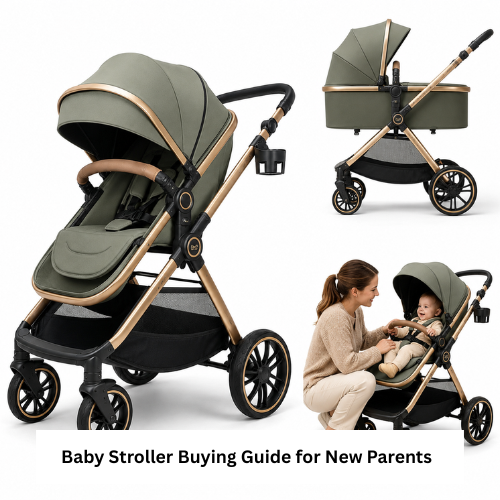
Choosing a baby stroller is one of the first big buying decisions for new parents because it affects daily walks, errands, travel, storage, and baby comfort. Before buying, parents should check stroller type, age suitability, recline, brakes, folding style, wheel movement, storage space, and whether the stroller fits their routine.
A stroller for baby use should not be chosen only by design or price. A family living in an apartment may need a lighter fold, while parents who walk often may need stronger wheels and better storage.
Parents can start with online baby strollers when comparing stroller categories, prams, travel systems, accessories, and baby travel gear.
Why New Parents Should Compare Stroller Types
Not every stroller is built for the same use. Some are better for daily walks, some for travel, and some for newborn support.
A best baby stroller for one family may feel too heavy, too large, or too limited for another family. That is why parents should compare lifestyle needs before buying.
Think about where you will use the stroller most often: sidewalks, malls, parks, car trunks, apartments, elevators, stairs, or travel settings.
Baby Stroller: What to Check First
When comparing a baby stroller, check the baby’s age, weight guidance, recline position, harness, brakes, frame strength, wheel movement, and folding method. If any detail is unclear, verify before buying.
Parents can compare baby stroller options before choosing between standard strollers, lightweight strollers, prams, joggers, and travel systems.
A stroller should feel easy to open, close, push, stop, and store. If it is difficult to fold or too heavy to lift, it may become frustrating during daily use.
| Stroller Type | Best For | What to Verify |
| Standard stroller | Everyday use | Seat comfort, basket size, brakes, fold style |
| Lightweight stroller | Travel and quick errands | Weight, folded size, canopy, recline |
| Pram stroller | Younger babies | Flat position, bassinet mode, stability |
| Travel system | Car seat and stroller use | Car seat compatibility, adapters, base |
| Jogger stroller | Active parents | Wheels, suspension, brake, age guidance |
| Umbrella stroller | Simple short trips | Recline, safety features, storage limits |
Newborn and Infant Stroller Needs
A newborn stroller must provide proper support. Some strollers include bassinet mode, a flat recline, or infant car seat compatibility. Others may only be suitable for older babies.
If you are comparing daily stroller styles, standard baby strollers can help parents review regular-use options before ordering.
Do not assume every stroller is suitable for newborn use. Always check the product manual, age guidance, and seat recline details.
Lightweight, Folding, and Storage Checks
Parents who travel often or have limited home space may need a stroller that folds easily and fits in a car trunk, closet, or apartment entryway.
For travel-focused use, compare lightweight baby strollers and check stroller weight, folded size, carrying handle, recline, and storage basket.
If you plan to fly later, a stroller travel bag may be useful for protecting the stroller during airport handling.
Pram and Comfort Features
A baby pram can be helpful when parents want a more relaxed resting position for younger babies. Some pram-style strollers are built for comfort, while others are convertible models.
Parents can review pram strollers when comparing comfort-focused options for younger babies and daily walks.
Check canopy coverage, padding, seat fabric, ventilation, handle height, and whether the stroller feels smooth on your usual walking surface.
Safety and Compatibility Notes
Baby stroller safety should be checked before daily use. Parents should use the harness correctly, lock brakes when stopped, and avoid hanging heavy bags from the handle.
Check compatibility with:
- Baby’s age and weight guidance
- Infant car seat if needed
- Bassinet or carrycot if needed
- Car trunk size
- Home storage space
- Parent height
- Walking surface
- Accessories
- Return policy and support
If the stroller needs adapters, verify the exact model before buying.
Troubleshooting Common Buying Problems
The stroller feels too heavy
Check product weight before ordering, especially if you need to lift it into a car or carry it upstairs.
The stroller does not fold easily
Review folding instructions and product details. Some strollers need two hands or extra steps.
The seat does not recline enough
If buying for a newborn, verify recline angle and newborn-use guidance before ordering.
The basket is too small
Check storage basket space if you carry diapers, bottles, shopping bags, toys, or travel items.
Care and Maintenance Advice
Clean the frame, wheels, seat fabric, and basket regularly. Remove crumbs, wipe spills, inspect brakes, and check the folding lock.
Keep the stroller dry when possible. If the wheels, brakes, harness, or buckles stop working correctly, stop using the stroller until the issue is checked.
For outside comparison, a stroller travel bag can help parents review protection options for flights, storage, and stroller transport.
Practical Buying Checklist
Before buying a stroller, check:
- Baby’s age and weight guidance
- Newborn suitability
- Seat recline
- Harness setup
- Brake function
- Wheel movement
- Folded size
- Stroller weight
- Storage basket
- Car trunk fit
- Car seat compatibility
- Fabric cleaning instructions
- Warranty or support details
- Return policy
- Delivery details
- Verify before buying if product details are unclear
Conclusion
A baby stroller should match your child’s age, comfort needs, travel routine, storage space, and safety requirements. New parents should compare stroller type, recline, folding, wheels, brakes, and compatibility before buying so the stroller works for real daily use.
FAQ
What should new parents check before buying a baby stroller?
Check age guidance, recline, harness, brakes, weight, folded size, storage, and car seat compatibility.
Can every stroller be used for newborns?
No. Some strollers need a flat recline, bassinet, or compatible infant car seat for newborn use.
Is a lightweight stroller good for daily use?
It can be useful for quick errands and travel, but check comfort, recline, wheels, and storage first.
What is the difference between a pram and stroller?
A pram usually focuses on a flatter resting position, while strollers vary by age, fold style, and travel use.
Should I check the return policy before buying?
Yes. Stroller size, fold, comfort, and compatibility can vary, so return details matter.
